Description
Vacuum Sealed Mylar Bags: The Proven Way to Lock Out Oxygen and Extend Shelf Life
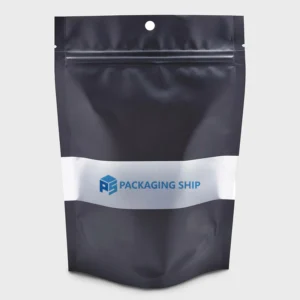
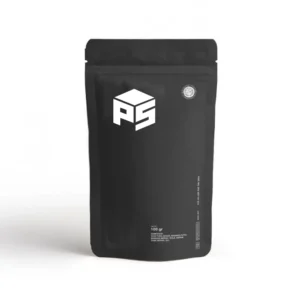
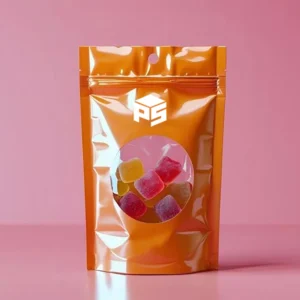
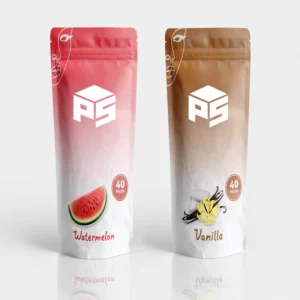
Vacuum sealed mylar bags are multi-layer flexible packaging formats. They remove air from inside the bag before sealing. This creates a near-zero oxygen environment around your product. The result is a dramatic extension of shelf life for food, pharmaceuticals, herbs, cannabis, coffee, and any oxygen-sensitive product category.
At Packaging Ship, we manufacture custom vacuum sealed mylar bags for food brands, supplement companies, cannabis and hemp producers, specialty coffee roasters, pharmaceutical packagers, and emergency supply brands across the US. Every bag is built around your product’s specific oxygen and moisture sensitivity profile, not a generic vacuum bag template.
Why Oxygen and Moisture Destroy Products: and Why Vacuum Sealing Works
Oxygen accelerates oxidation. Oxidation degrades fats, oils, vitamins, terpenes, and active compounds. Oxygen ruins everything you store. Coffee goes stale. Cannabis loses potency. Supplements break down. Dried food spoils in weeks, not years.
Moisture activates mold and bacteria. Even dried products contain residual moisture. Ambient humidity enters packaging through any gap, any micro-perforation, and any seal that is not airtight. Consequently, products that appear shelf-stable in standard packaging degrade far faster than brands expect or label.
Vacuum sealing removes the oxygen from inside the bag before the seal closes. Furthermore, a high-barrier mylar film structure prevents oxygen and moisture from re-entering through the film wall. The combination vacuum removal plus film barrier, is what makes vacuum sealed mylar bags the only packaging format capable of extending shelf life across years rather than weeks for certain product categories.
What the Film Actually Does: Barrier Layer Anatomy
A vacuum sealed mylar bag is not a single material. It is a laminate of multiple films, each performing a specific function. Understanding each layer explains why bag performance varies between suppliers.
- The outer layer: PET (polyethylene terephthalate): This is the print surface. It accepts full-color CMYK and PMS Pantone-matched printing at high resolution. It provides puncture and abrasion resistance on the exterior. It is the structural face of the bag that the customer sees and handles at retail or delivery.
- The barrier layer: Aluminum foil or VMPET (vacuum-metalized PET): This is the oxygen and light barrier. Aluminum foil provides the highest barrier performance OTR (oxygen transmission rate) near zero. VMPET provides a lighter, lower-cost alternative with slightly reduced barrier performance suitable for shorter shelf-life applications. For long-term food storage, pharmaceutical, and cannabis applications, aluminum foil is the correct barrier layer.
- The inner layer: PE (polyethylene) or LLDPE: This is the food-contact surface and the heat-seal layer. PE bonds under heat to create the bag’s sealed edges and bottom. It is food-safe, odor-neutral, and chemically inert. The inner layer thickness determines seal integrity. Thicker PE holds vacuum pressure longer through the product’s storage cycle.
Key Specifications:
- Film structures: PET / AL / PE for maximum barrier (food, cannabis, pharma) · PET / VMPET / PE for retail shelf-life applications · Kraft / PET / PE for eco-positioned vacuum formats
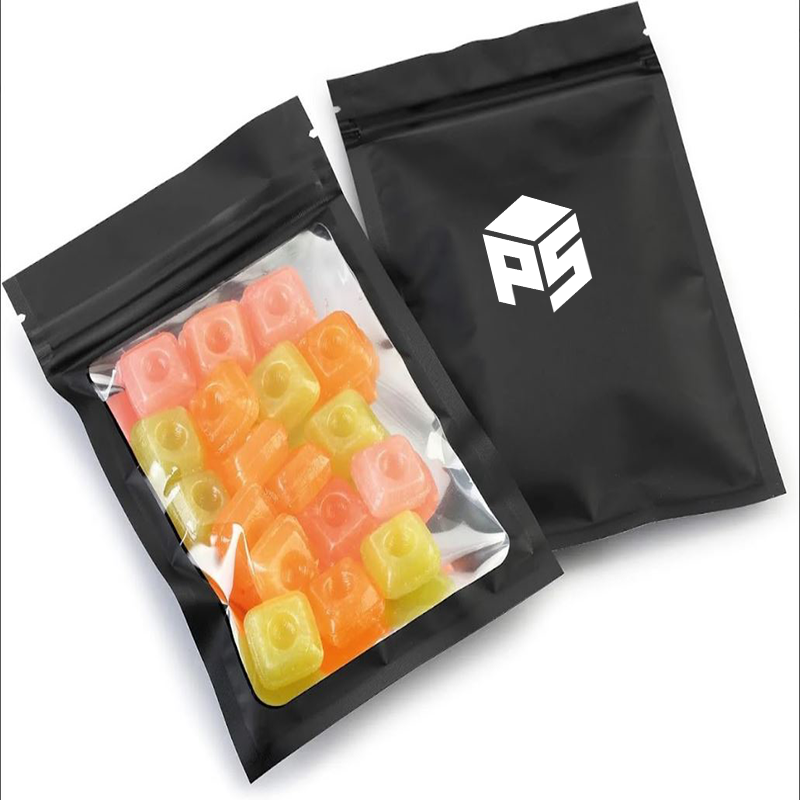
- Bag styles: Three-side seal flat · Gusset vacuum bag · Stand-up vacuum pouch with zipper top · Pillow vacuum bag
- Seal types: Heat seal bottom and sides · Zipper reseal top · Notch tear for consumer opening
- Thickness: 3.5 mil – 7.5 mil standard range · Up to 10 mil for heavy-duty applications
- Print: Full-color CMYK · PMS Pantone-matched · Rotogravure for high-volume runs · Digital for short-run SKU testing
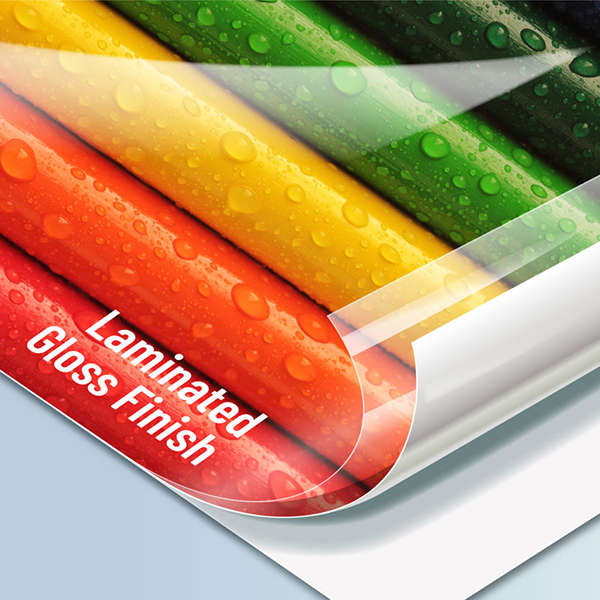
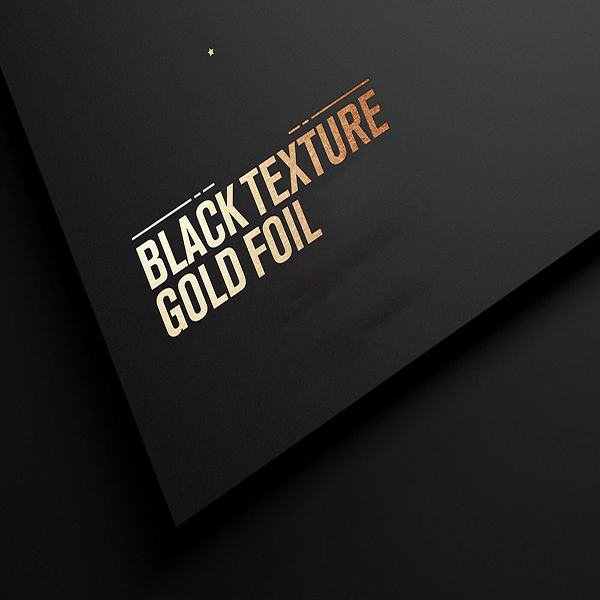
- Finishes: Matte · Gloss · Soft-touch · Metallic · Holographic
- Custom features: Degassing valve for coffee · Child-resistant zipper for cannabis · Oxygen absorber pocket for long-term food storage
- Turnaround: 8–10 business days production · 10–15 business days full delivery including shipping
Where Vacuum Sealed Mylar Bags Work: Industry by Industry
- Specialty coffee and food brands use vacuum sealed mylar bags to lock in roast freshness, preserve terpene profiles, and extend shelf life far beyond what standard packaging allows. A degassing valve allows CO₂ from fresh roast to escape without allowing oxygen to enter.
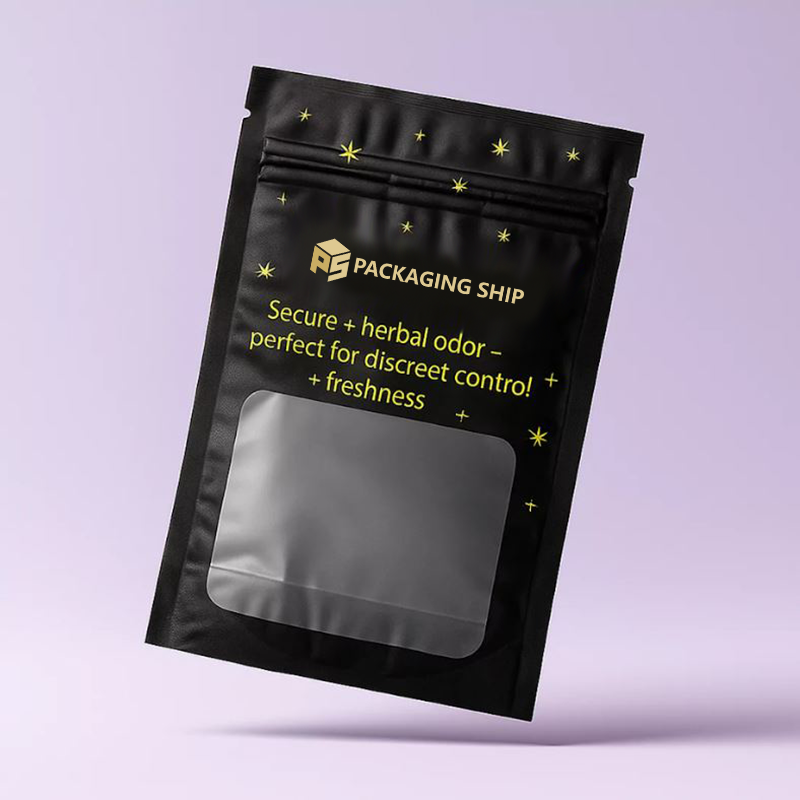
- Cannabis and hemp brands use vacuum sealed mylar bags to protect terpene content, maintain cannabinoid potency, and comply with state opacity and child-resistant packaging requirements simultaneously. The aluminum barrier layer also provides complete light blocking UV light degrades THC and CBD compounds at the same rate as oxygen.
- Supplement and nutraceutical brands use vacuum sealed mylar bags for powder and capsule products sensitive to moisture absorption. A high-barrier film structure maintains efficacy through the full labeled shelf life.
- Emergency preparedness and long-term food storage brands use vacuum sealed mylar bags with oxygen absorbers and maximum-barrier aluminum foil structures to achieve 5 to 25-year shelf life on dry food products.
There are no MOQs at Packaging Ship. A specialty food brand testing a new SKU and a cannabis operator restocking 10,000 units go through the same direct manufacturing process.
Tell us your product, your target shelf life, and your distribution channel free quote within 24 hours.








Reviews
There are no reviews yet.